Why Do Casino Apps Look Different in Portrait vs Landscape?
In the evolving landscape of mobile entertainment, casino apps have emerged as a significant segment catering to millions of Canadian users. Whether accessed on smartphones or tablets, these apps frequently adapt their user interfaces (UI) depending on whether the device is held in portrait or landscape mode. This responsive design approach is a critical part of delivering a seamless and satisfying user experience (UX), especially given the complex regulatory environment across Canadian provinces.
Understanding Mobile-First Casino UX and Responsive Design
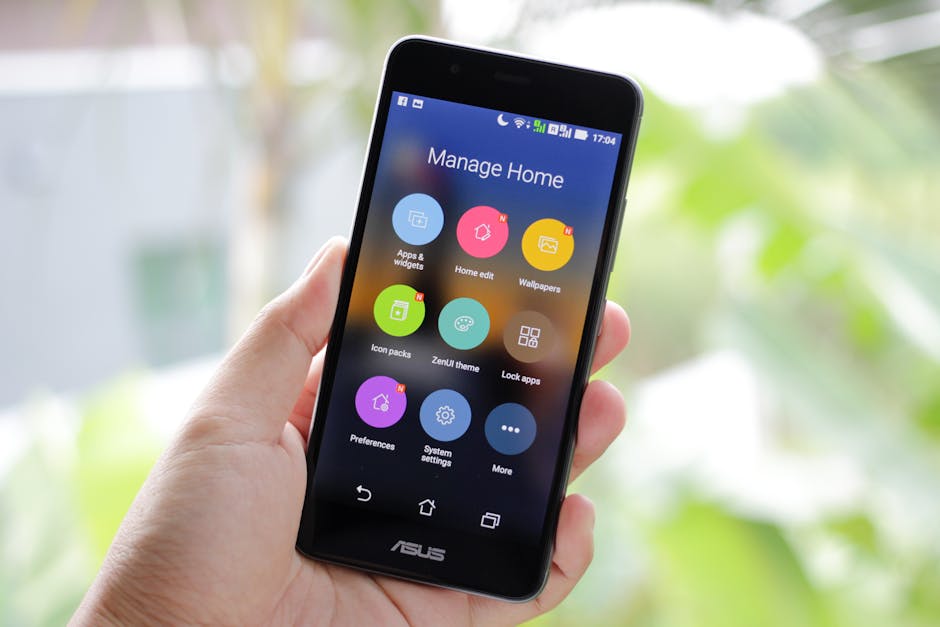
The distinction between portrait and landscape views in casino apps stems from a core principle called responsive design. Responsive design refers to websites or applications that automatically adjust their layout and functionality to suit the screen size, resolution, and orientation of the user’s device – in this case, smartphones and tablets.
When a user rotates their device, the app’s portrait landscape support ensures the UI reorganizes itself to optimize touchscreen navigation and visual clarity. Portrait mode typically favors vertical scrolling and allows for easier single-handed use, making it perfect for browsing games, account details, or promotions. Landscape mode, by contrast, uses the wider screen real estate to enhance gameplay visibility, especially for slot machines or table games where horizontal space benefits the in-game controls and graphics.
Leading industry observers, such as Calgary Guardian and Fistle Media Inc., emphasize that mobile-first design in casino apps is more than just convenience—it’s a necessity. They note that a responsive casino UI must prioritize speed, minimal clutter, and intuitive navigation, so players stay engaged without the frustration of buttons or menus awkwardly placed due to poor orientation support.
Provincial Regulations and the Fragmented Canadian Market
The Canadian market adds another layer of complexity. Unlike some countries with unified national gambling regulations, Canada has a provincial regulatory framework.
- Each province regulates online gambling independently, with different requirements for app authorization, game offerings, and player protections.
- This fragmentation means that a casino app must be tailored not only for screen orientation but also for authorization and availability by jurisdiction.
For example, Ontario’s regulatory regime has become one of the most visible and competitive models since it officially opened its market to private operators in 2022. This change prompted many Canadian and international companies to rapidly optimize their apps specifically for Ontario’s standards, which also influenced how apps address responsive design and touchscreen interfaces.
Impact of Province-Specific Regulation on App Design
Provincial requirements can affect various aspects of app design:
- Compliance Messaging: Age verification and responsible gambling warnings must adapt to the orientation and screen size.
- Content Availability: Some games or features allowed in British Columbia may be restricted in Quebec or Ontario, meaning the UI must dynamically enable or disable content depending on the user’s location.
- Performance Optimization: Efficient loading times are critical in provinces with strict latency regulations, affecting how graphics scale in portrait vs landscape modes.
The Role of Smartphones and Tablets in UI Adaptation
Statistics Canada data confirms that as of 2023, nearly 90% of Canadians aged 18 to 54 own a smartphone, while tablet ownership stands at roughly 42%. This high adoption rate confirms that most users expect casino apps provincial gambling rules to perform flawlessly on both device types.
Smartphones, with their typically smaller screens, mandate a portrait-first design approach, focusing on simplicity and one-handed control. Tablets, on the other hand, offer larger displays that naturally invite landscape mode for immersive gaming sessions. Casino operators take these device preferences into account to ensure that:
- Navigation buttons, betting controls, and game visuals resize appropriately without cramping the touchscreen.
- Games remain accessible without requiring excessive zooming or scrolling.
- Orientation switches do not disrupt active gameplay or cause app crashes.
Fistle Media Inc. highlights that many developers use automated testing tools to simulate different device orientations and screen sizes, guaranteeing a responsive casino UI that feels native across all devices.
Why Portrait and Landscape Modes Matter Differently in Casino Apps vs Other Gaming Apps
Unlike casual gaming apps, casino apps involve significant financial risk for users, meaning UX and compliance are paramount. The stakes make the nuances between portrait and landscape orientation even more critical:
- Touchscreen Navigation: Every tap could represent a real wager, so buttons must be large enough and well spaced to prevent accidental bets—especially in portrait mode where space is limited.
- Compliance Disclosures: Warnings, play limits, and privacy notices need to remain visible without overwhelming the primary game interface in any orientation.
- Regulatory Data Capture: Provinces may require real-time tracking of user actions to prevent problem gambling, which adds more UI layers that must be well integrated for both orientations.
Calgary Guardian’s reporting reinforces the idea that treating gambling apps as ordinary entertainment games ignores the regulatory and UX realities that dictate their design.

Conclusion
In summary, casino apps look different in portrait vs landscape modes because of mobile-first principles optimized for touchscreen navigation and responsive casino UI. The fragmented Canadian market heightens the stakes, as provincial regulation demands jurisdiction-specific adaptations to content and compliance features. Ontario’s market liberalization since 2022 has set a competitive benchmark, pushing developers to deliver flawless authorization and availability tuned to device types.
Through thoughtful design, rigorous testing, and adherence to provincial frameworks, casino apps align UX with regulatory mandates while ensuring players can enjoy safe, intuitive, and immersive experiences whether they hold their smartphones portrait or landscape. As technology and regulation evolve, this dual-orientation support will remain a fundamental standard in the Canadian digital gambling space.